
AI Image To Video Tests
Here are a few examples of AI-enhanced images and videos. These examples use AI models such as ChatGPT, Nano Banana, Veo 3, and Sora to supplement original art and photography.
Test 1: Photo To Video
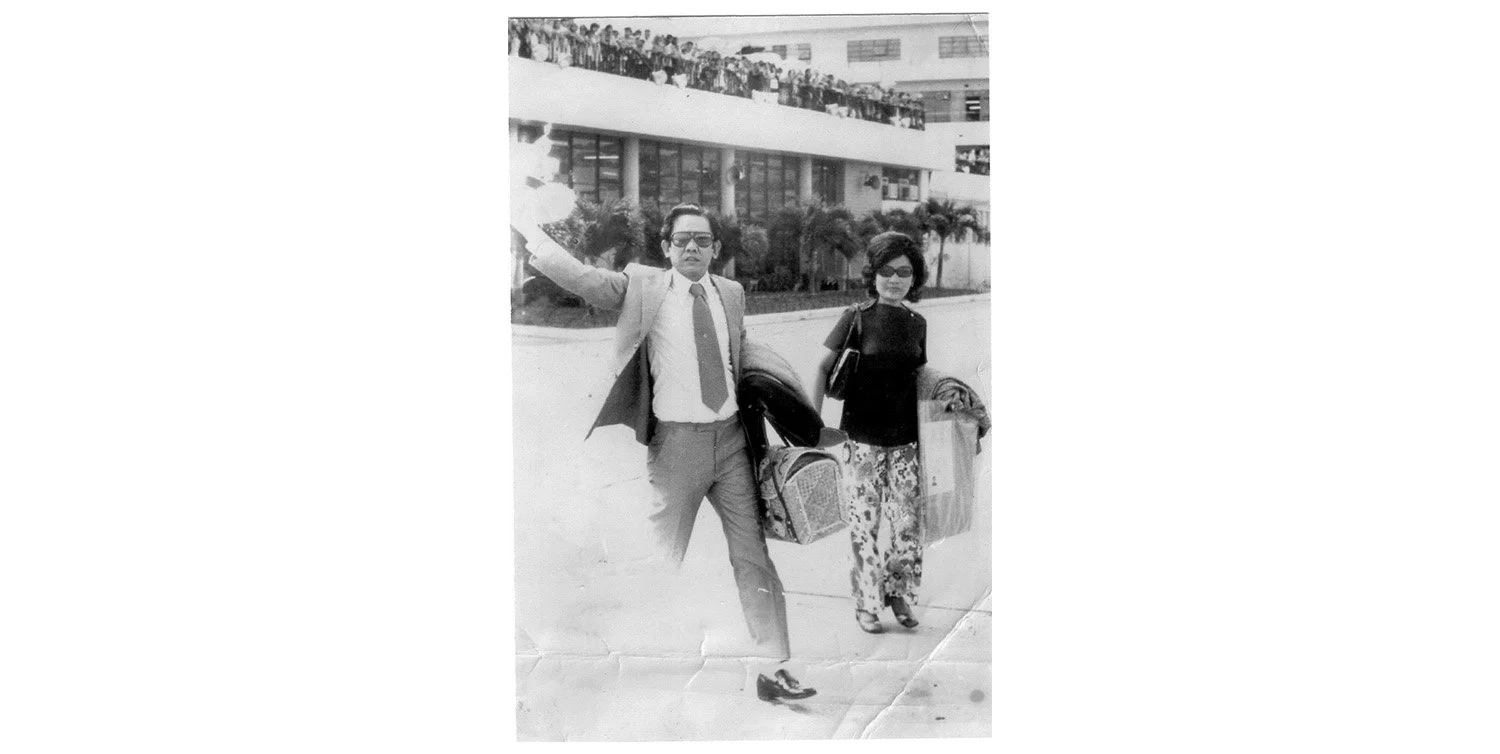
Here I started with one of my favorite family photos — my grandmother and late grandfather on the day they moved their family from the Philippines to the United States in the early 1970s. Portions of the photo had been damaged through time. For my first test I wanted to start with something meaningful and personal. Not only was it a historic day for my family it showed just how much swagger and style my grandparents had.
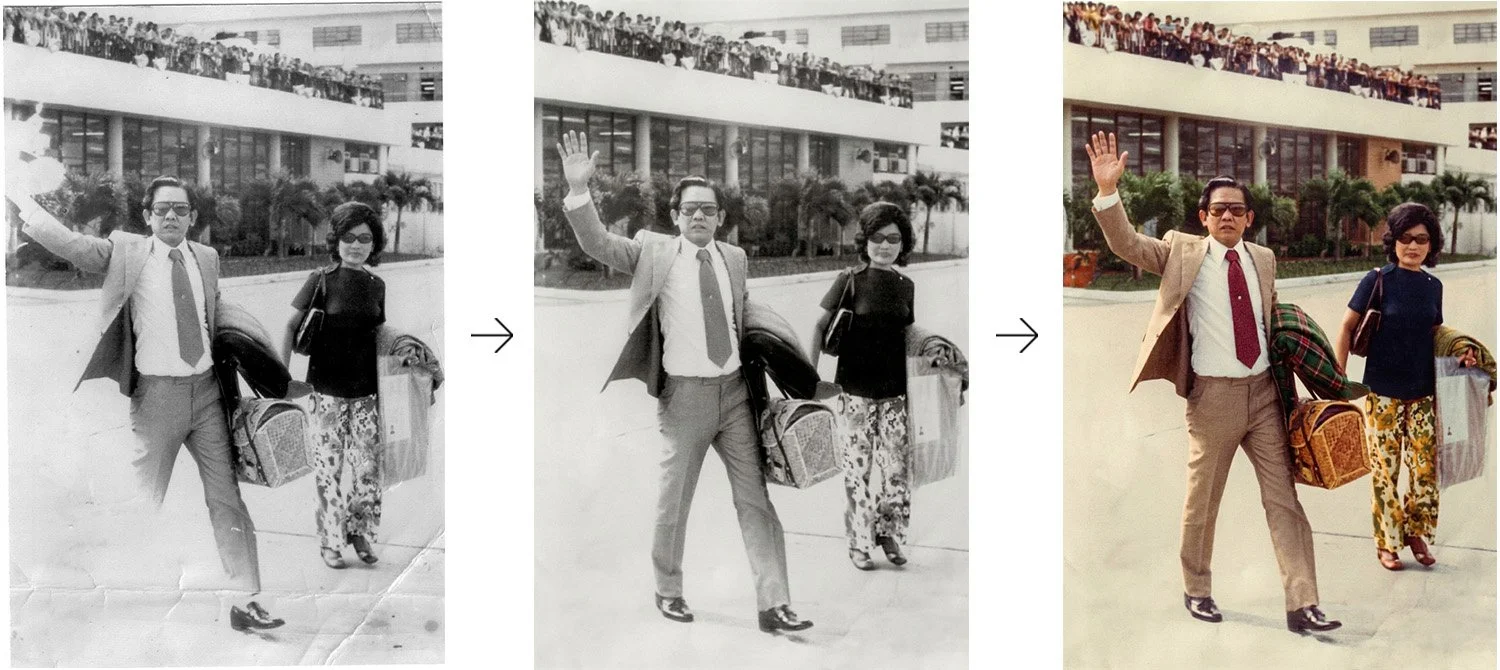
I used Nano Banana to add in the missing areas of my grandfather’s leg and hand and remove physical creases in the photograph. I then used it to add color to the photo while retaining its early 1970s film camera look and feel.
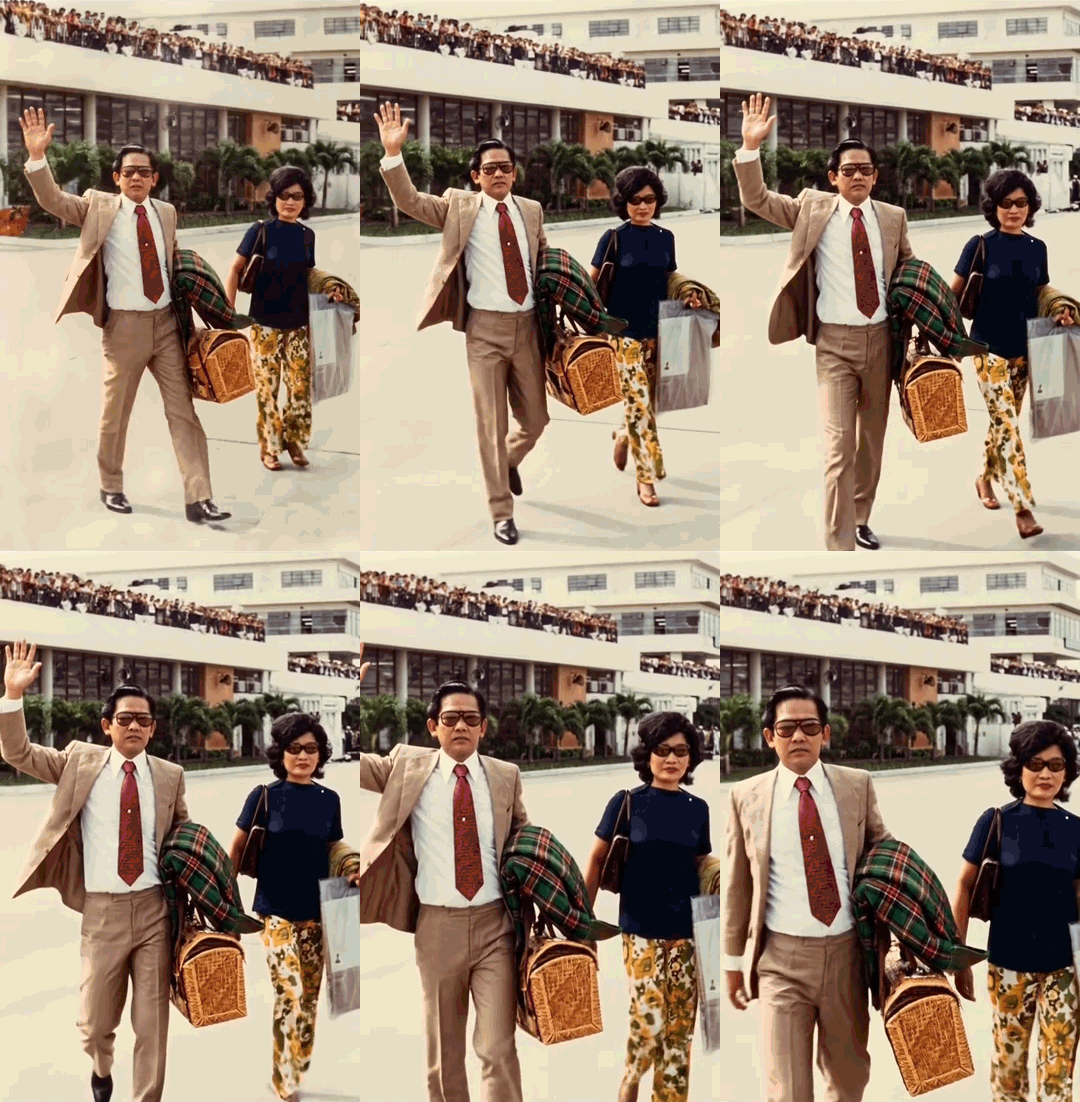
Using Veo 3 I created a short video clip based on the colorized image. It took close to a dozen attempts to get to this, the first few prompts generated a lot of unwanted results, some that greatly altered my grandparents’ appearance. I’m happy with this render and it was nice to spend a little time with my grandpa again.
TEST 2: Illustration to PhotorealISTIC Image to Video
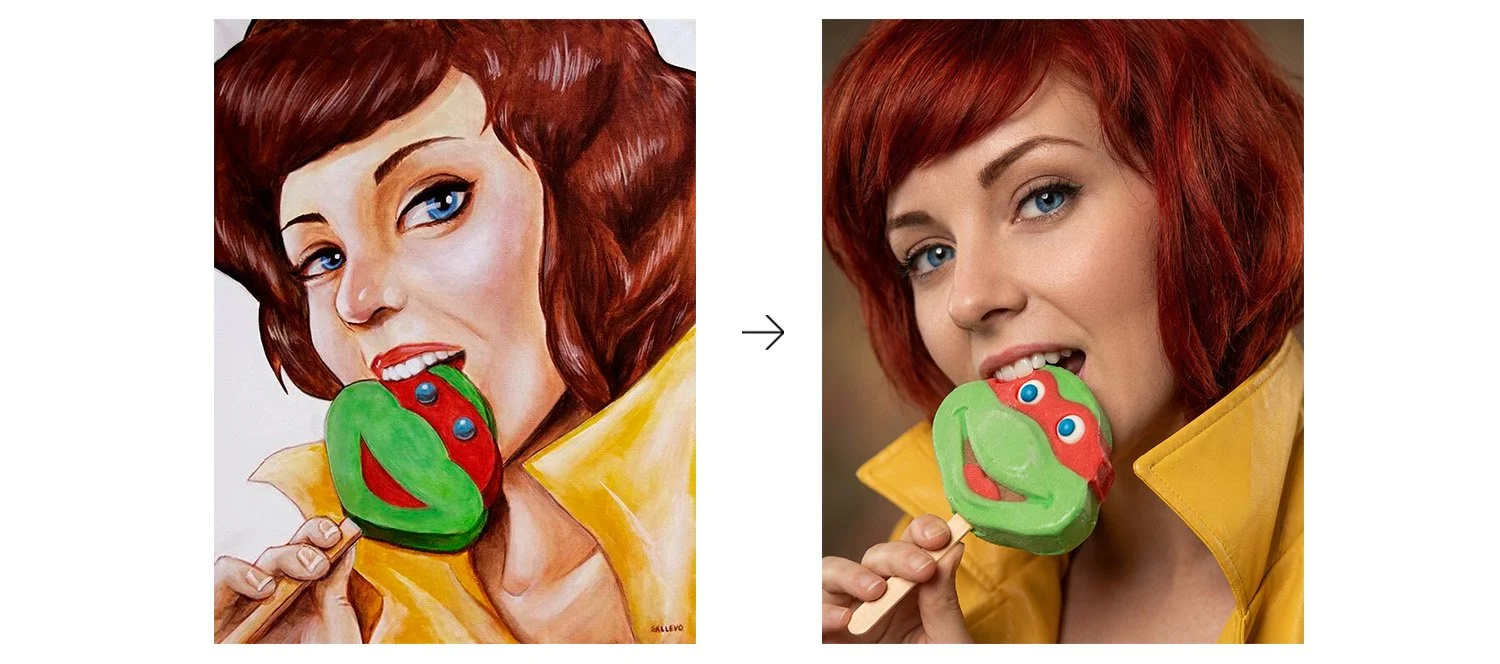
Here I started with a painting I did based on the Teenage Mutant Ninja Turtles with April O’Neil eating Ninja Turtle ice cream on a stick. I ran it through Nano Banana to create a photorealistic image.
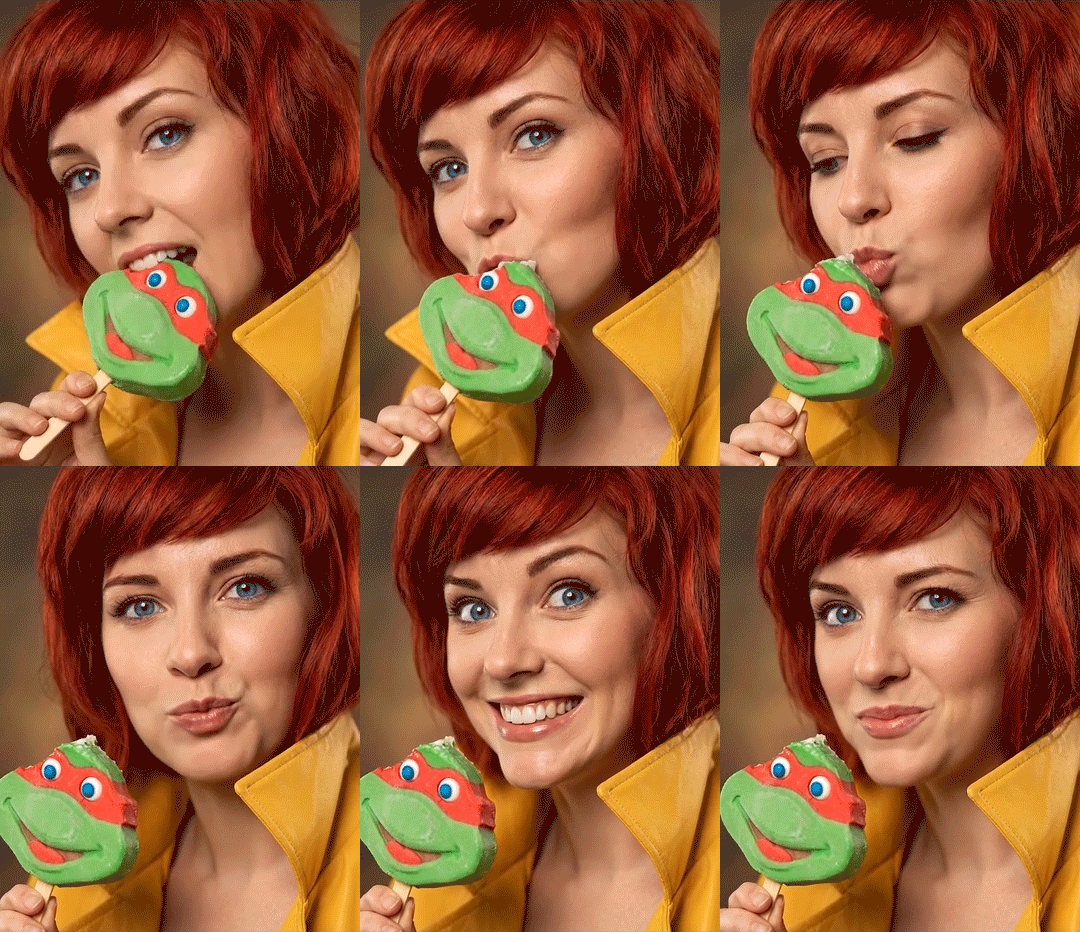
Veo 3 was used to create the video with impressive results. While I don’t think AI should be the primary element in long form video storytelling I think this is an efficient way to supplement the work. Creatives can go from concept art to proof-of-concept very quickly. In film making, existing footage can be used to render additional b-roll or pickup shots in a matter of minutes..
TEST 3: Illustration to Video
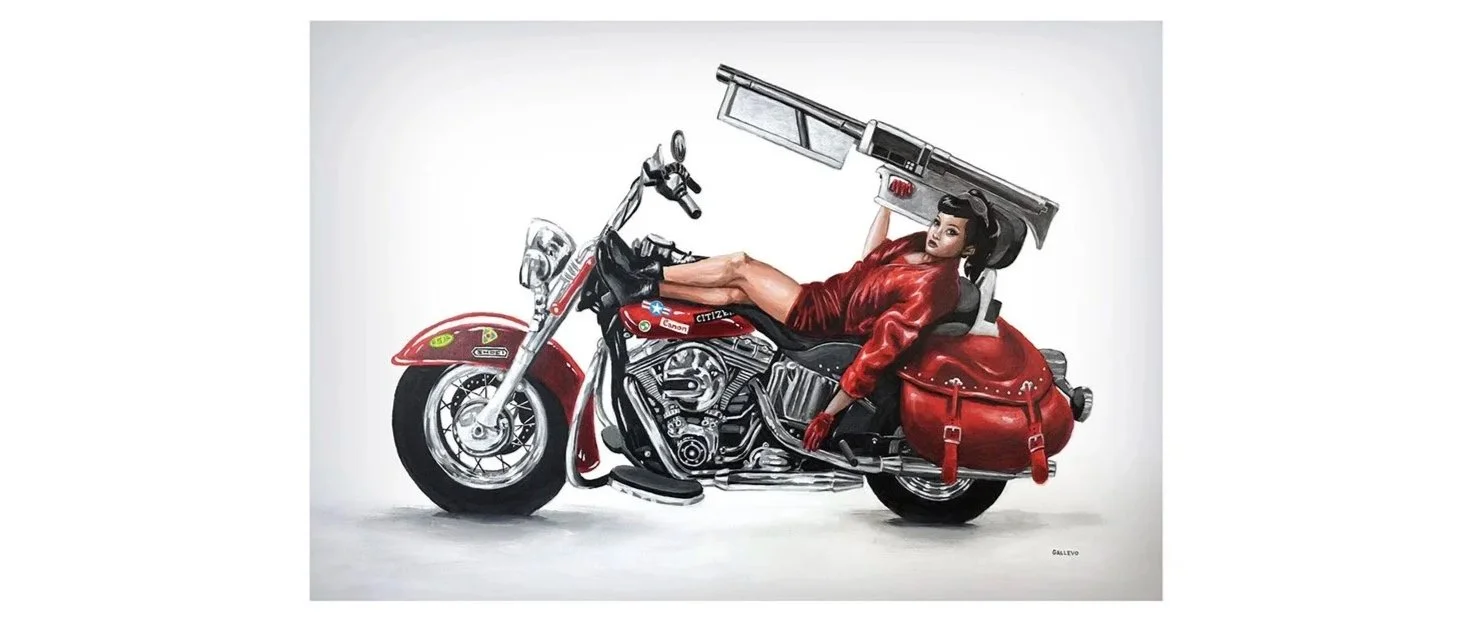
For the next test I wanted to see if I can use another painting I made and turn it into a video while retaining the art style. This painting’s theme mixed Japanese and American pop culture together — specifically, the Japanese animated film Akira and Harley-Davidson motorcycles.
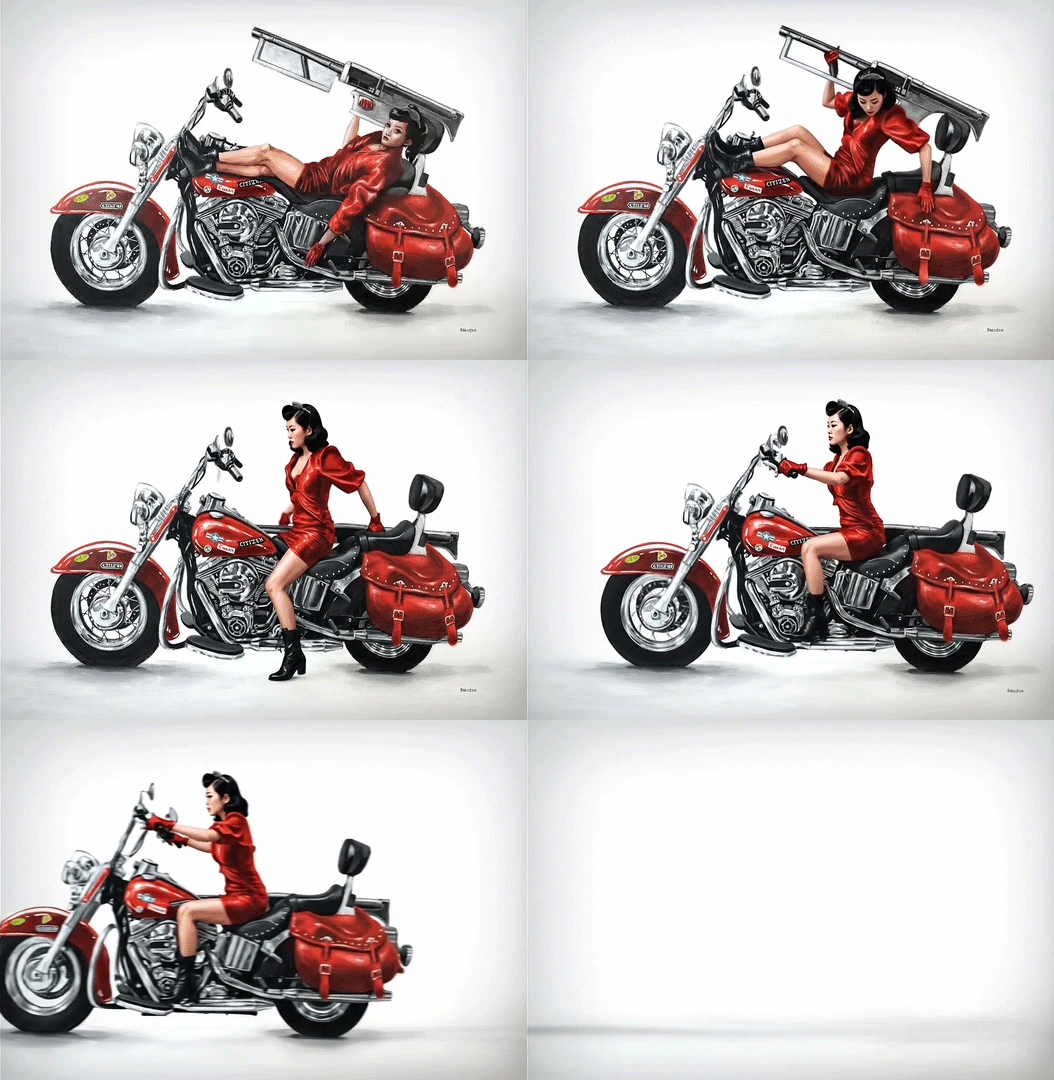
While it wasn’t able to keep the illustration style of the character’s face it did, however, keep the look of her body, clothing, and motorcycle which is pretty darn impressive. Granted everything, even the camera, are all fixed to the same position which means it requires less thought from the AI-model. I’ll try this again in six months to see how far the technology has gone.
TEST 4: UGC STYLE PRODUCT Photos to VIDEO
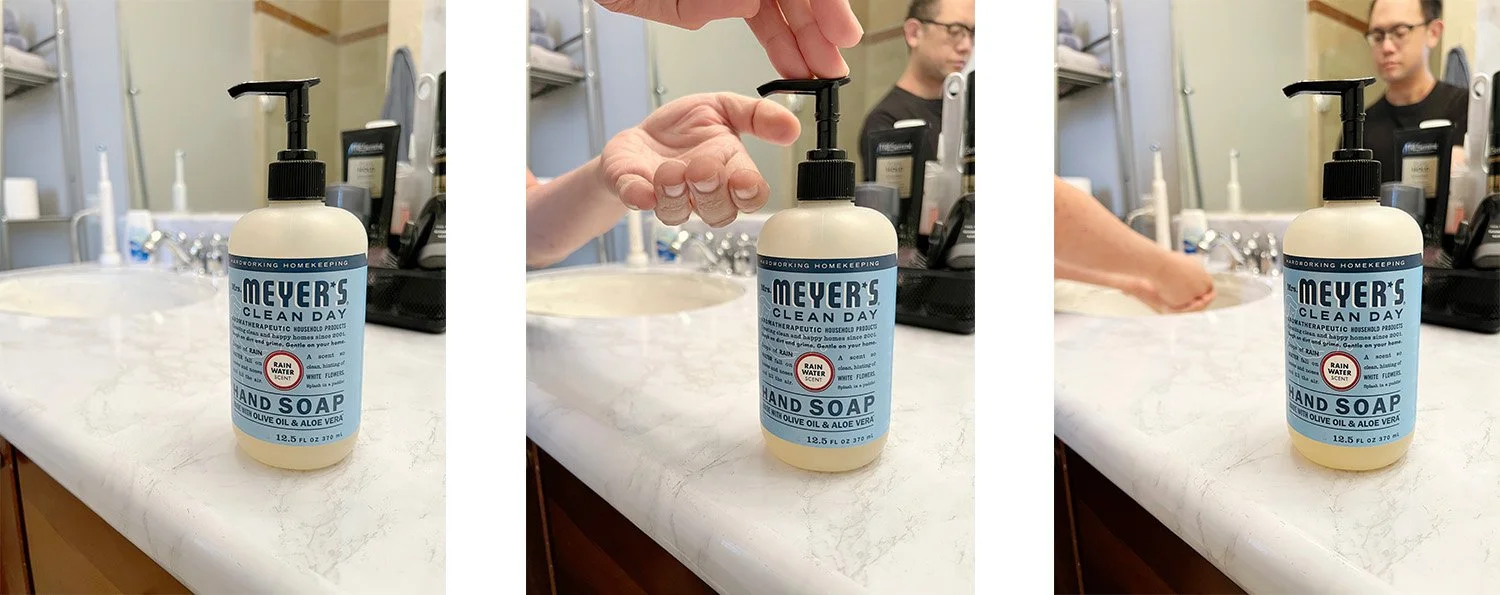
Could I use AI for more practical purposes? To find out I created a short video clip in the style of a UGC product video, like something you’d see on a brand’s social media account. I took these photos and used Sora to create a video based on them.
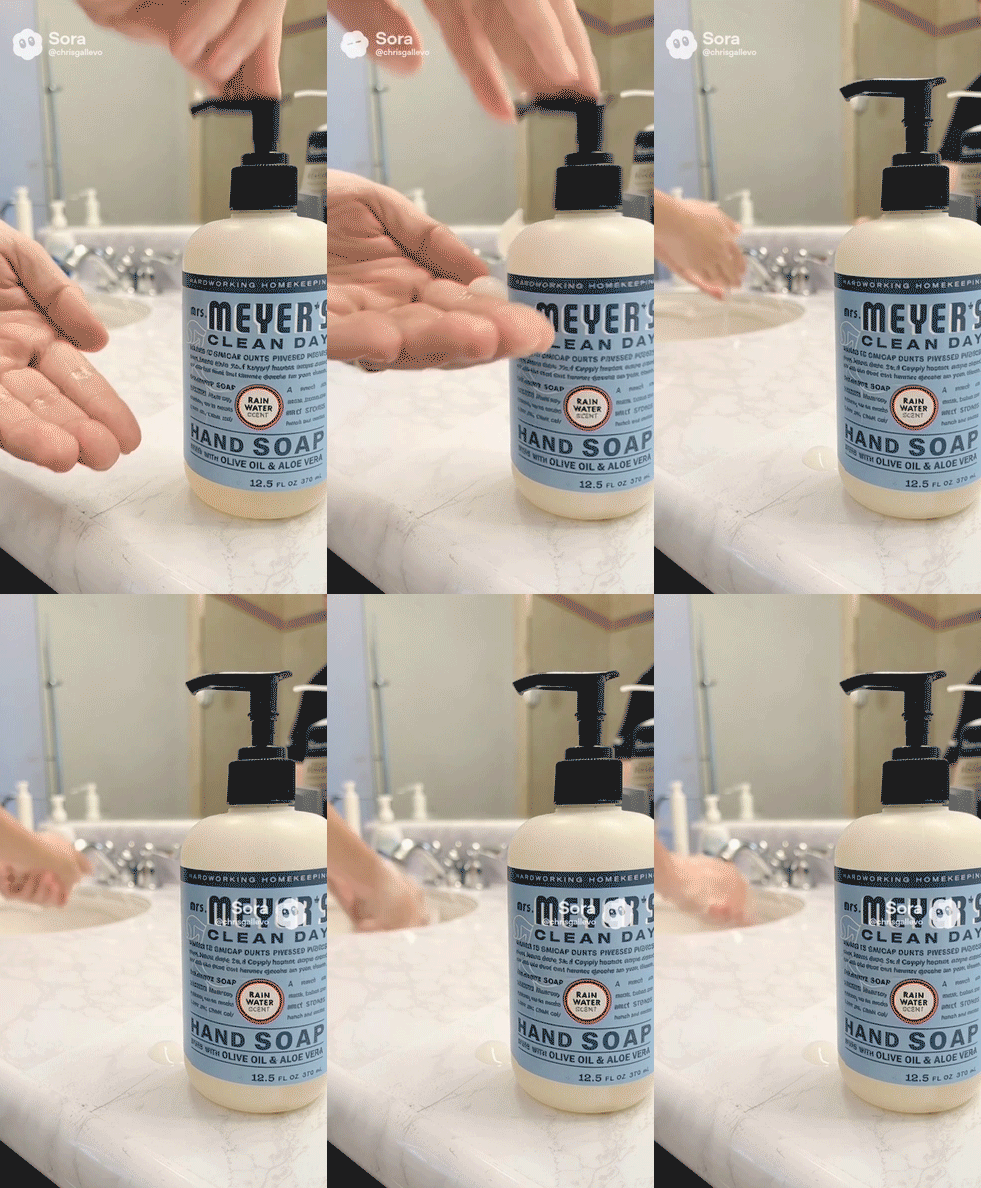
The results were ok. The soap landing on my hand is a bit wonky, the bottle is cropped off at the side, and the hand washing motions are a bit exaggerated. It would’ve been easier to simply record myself in an actual video but that wasn’t the only thing I wanted to test with AI.
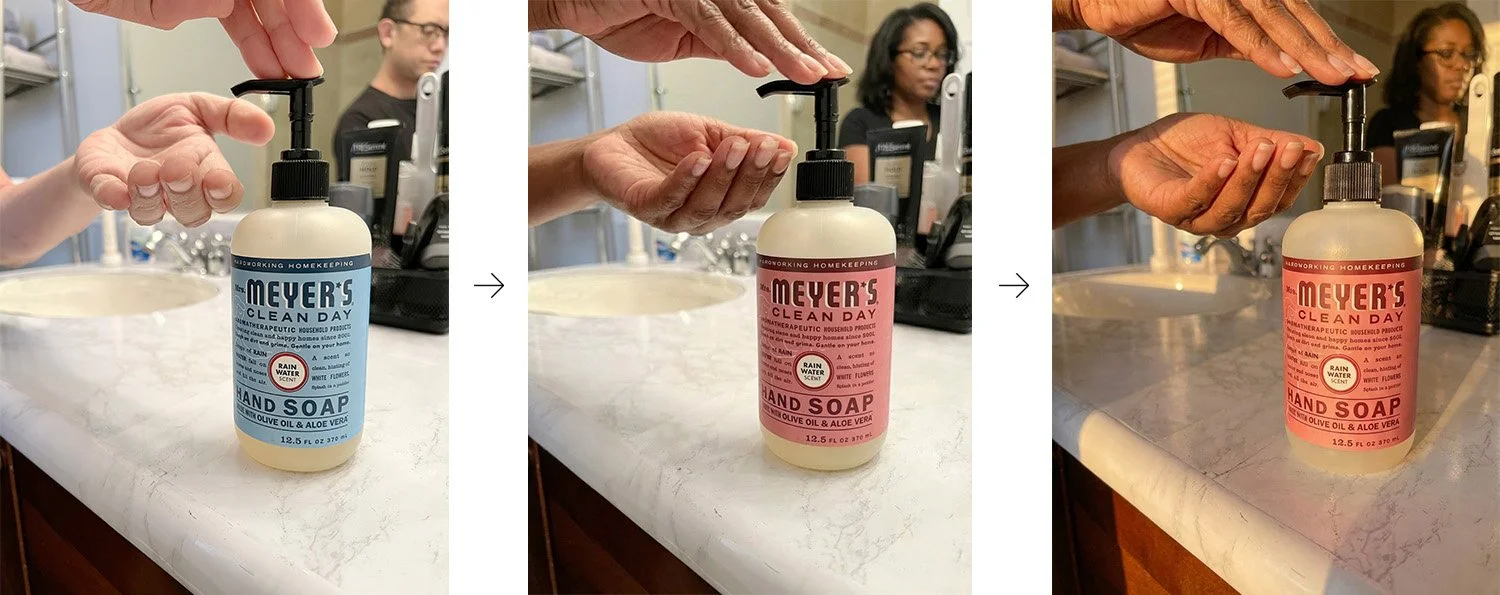
I went back to Nano Banana and made changes to the reference image. I had it replace me with someone of another gender and ethnicity. I also changed the bottle label to pinkish-red. I then asked it to change the lighting to dramatic, sunset light. It was done within a few minutes. Replacing an entire person is one thing but being able to completely change the lighting of a scene blows my mind. The highlights added to the bottle’s pump are particularly impressive.
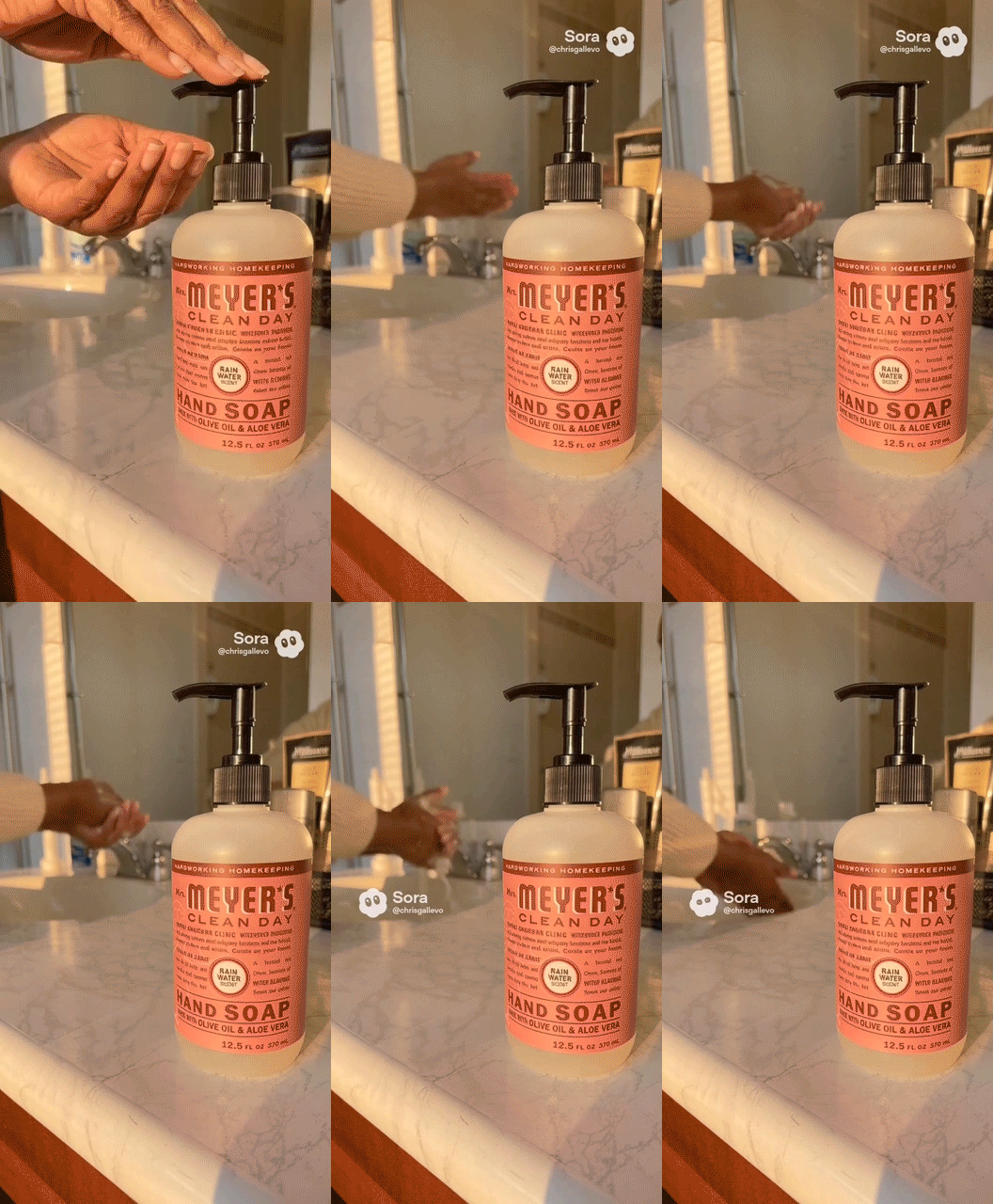
I used Photoshop’s generative AI to intentionally remove any recognizable facial features (a requirement from Sora) then created a video based on the new image. The result is almost believable save for the liquid soap falling behind the hand and that she starts washing her hands above a non-running sink. A few more prompt refinements or even some good, old-fashioned video editing would make it more realistic and less distinguishable from AI generation. Just like CGI in movies and tv shows, the best use of AI is when you don’t realize it’s being used at all.
Would using AI like this for commercial work be ethically or socially acceptable? That’s to be determined and I’m looking forward to seeing where this will go.